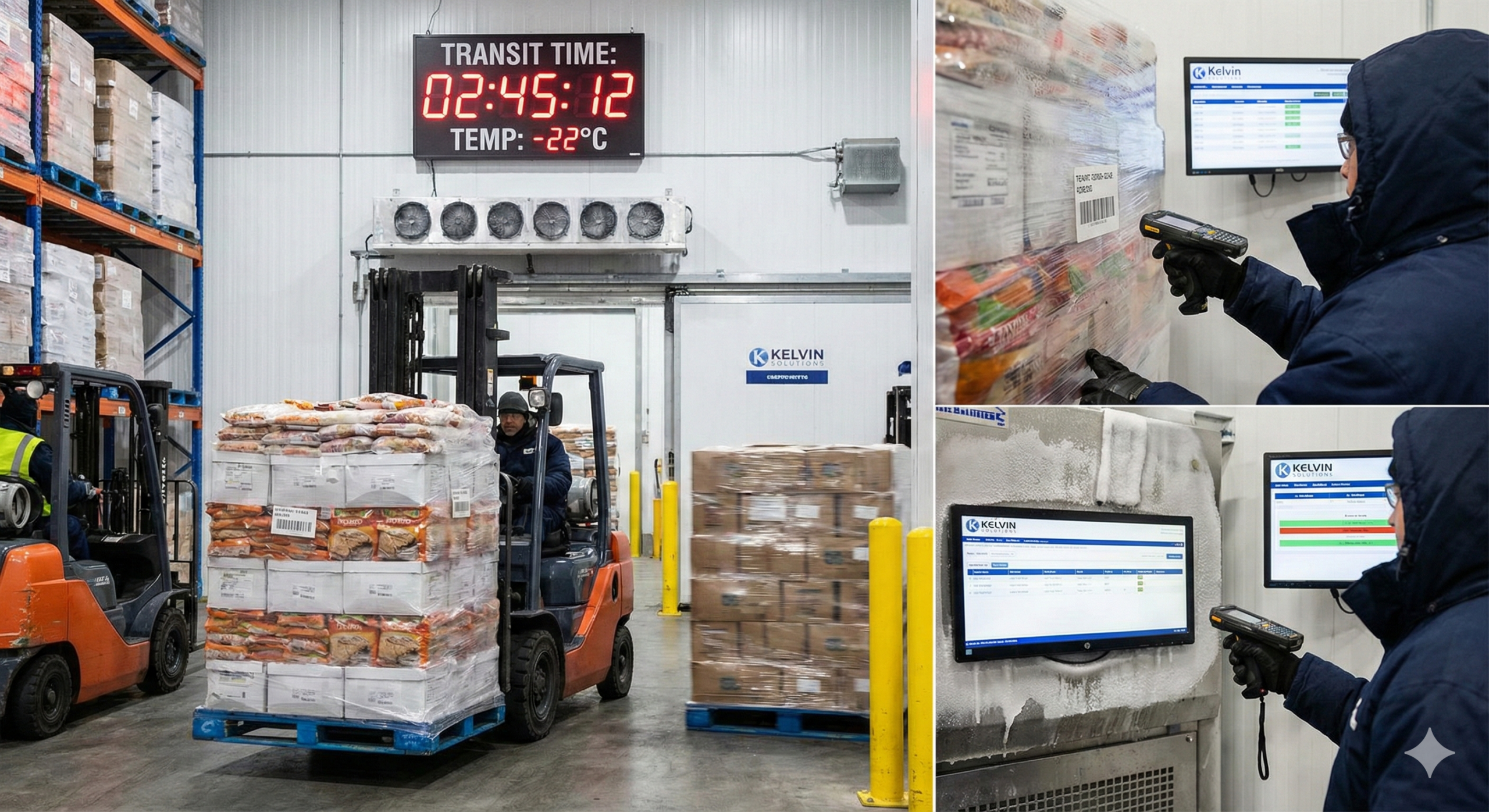
Temperature: a critical factor in the export of sensitive products, with French expertise at the heart of cold chain traceability.
In international trade, mastering the cold chain has become a strategic issue. When it comes to temperature-sensitive products — fresh food, frozen products, medicines, seeds, or biological products — a simple temperature variation can compromise the quality or compliance of a shipment.
In operational reality, the risks are numerous: transshipment issues, customs delays, airport delays, or climatic variations during transport. For some importers, proof of compliance with thermal conditions even becomes a contractual requirement, sometimes conditioning the final payment for the goods.
The Cold Chain: A Fragile Balance Between Quality and Financial Loss
Today, temperature is no longer just a logistical parameter: it is an economic and strategic factor.
More than 20% of temperature-sensitive products are damaged due to poor cold chain practices, leading to financial losses, waste, and damage to companies’ reputations.
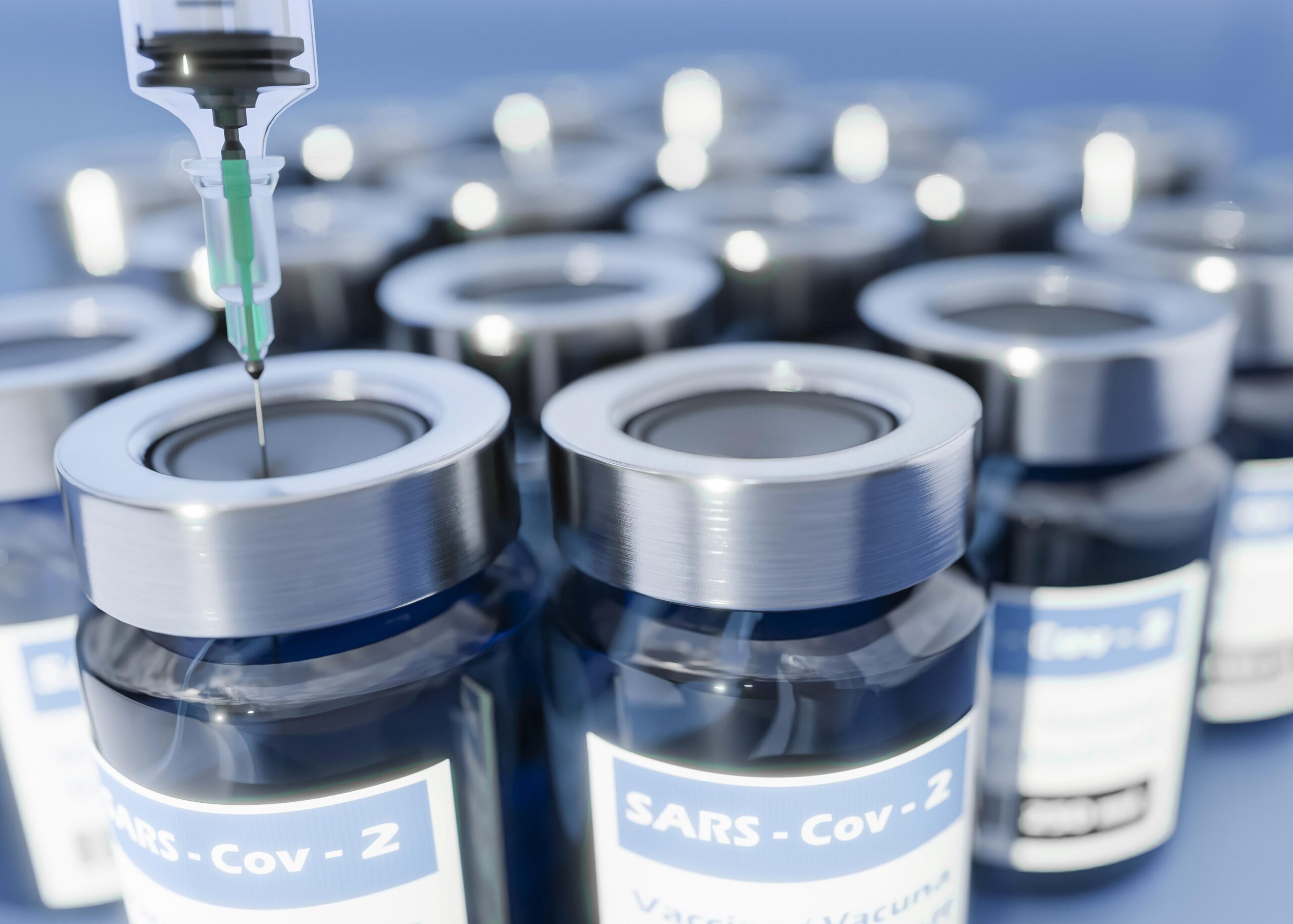
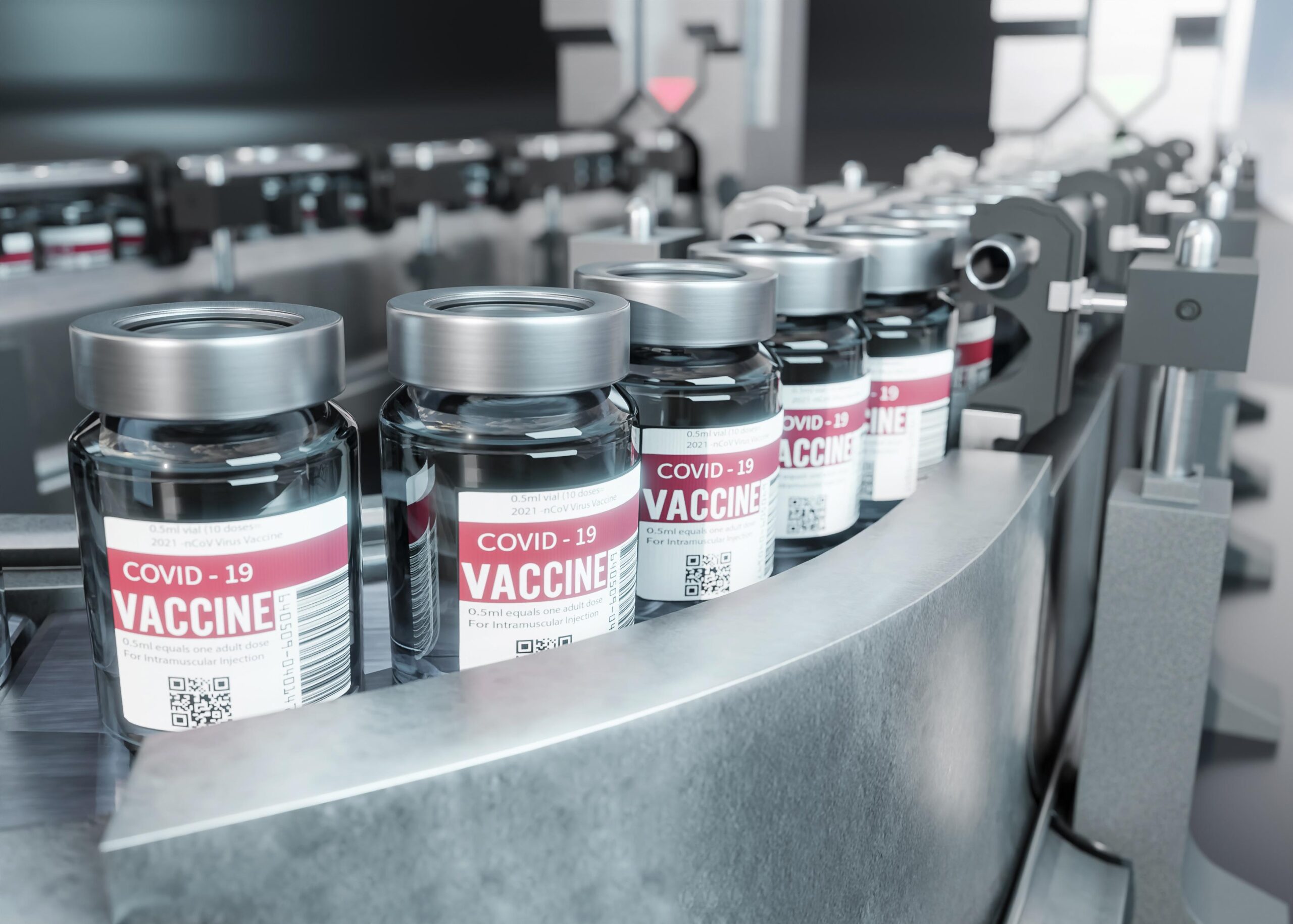
In certain critical sectors, the consequences can be even more severe. For example, in the pharmaceutical sector, a temperature excursion can render a medication ineffective or dangerous, with major regulatory, financial, and health impacts.
The Central Role of Temperature Loggers in Traceability
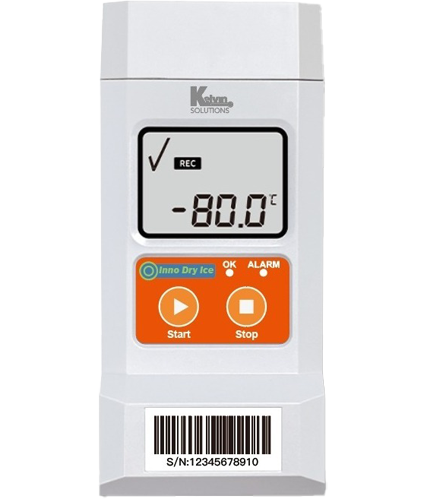
Temperature loggers play a key role in securing logistics flows. They enable:
- Verify cold chain compliance
- Identify logistical risk areas
- Provide objective proof in case of dispute
- Improve supply chain performance over time
They also become analytical tools: data exploitation makes it possible to identify recurring anomalies (carrier, warehouse, prolonged transit, etc.) and optimize operations in the long term, allowing for quick decisions in case of temperature deviation.
Real-time or Classic Data Logger: Which Strategy to Adopt?
Real-time monitoring offers maximum visibility, particularly for products:
- high-value
- highly sensitive
- subject to strict regulatory constraints
However, this level of monitoring involves additional costs and requires human resources capable of utilizing the data. In many cases, a USB logger remains sufficient if the monitoring strategy is adapted to the product’s criticality level.

Temperature Traceability: A Trusted Management Tool
Traceability is no longer just a technical tool: it becomes a commercial and strategic asset.
It enables:
- to secure customer relationships
- to strengthen export credibility
- to reduce logistical losses
- to improve decision-making
Exporting sensitive products without thermal traceability today means taking a major risk, both financially and from a regulatory perspective.
In a context of globalization and strengthened regulatory requirements, mastering controlled temperature has become a pillar of international trade.
Companies that integrate thermal traceability into their logistics strategy secure their flows, strengthen customer trust, and improve their overall performance in international markets.