

Ensuring the cold chain for pharmaceutical products
PHARMACEUTICAL COLD CHAIN: TEMPERATURE MONITORING AND TRACEABILITY OF MEDICINES
The pharmaceutical cold chain is critical to ensuring the quality, efficacy, and safety of medications.
Kelvin Solutions supports laboratories, distributors, and healthcare providers with temperature monitoring and thermal traceability solutions designed for the most demanding environments.
A critical public health issue
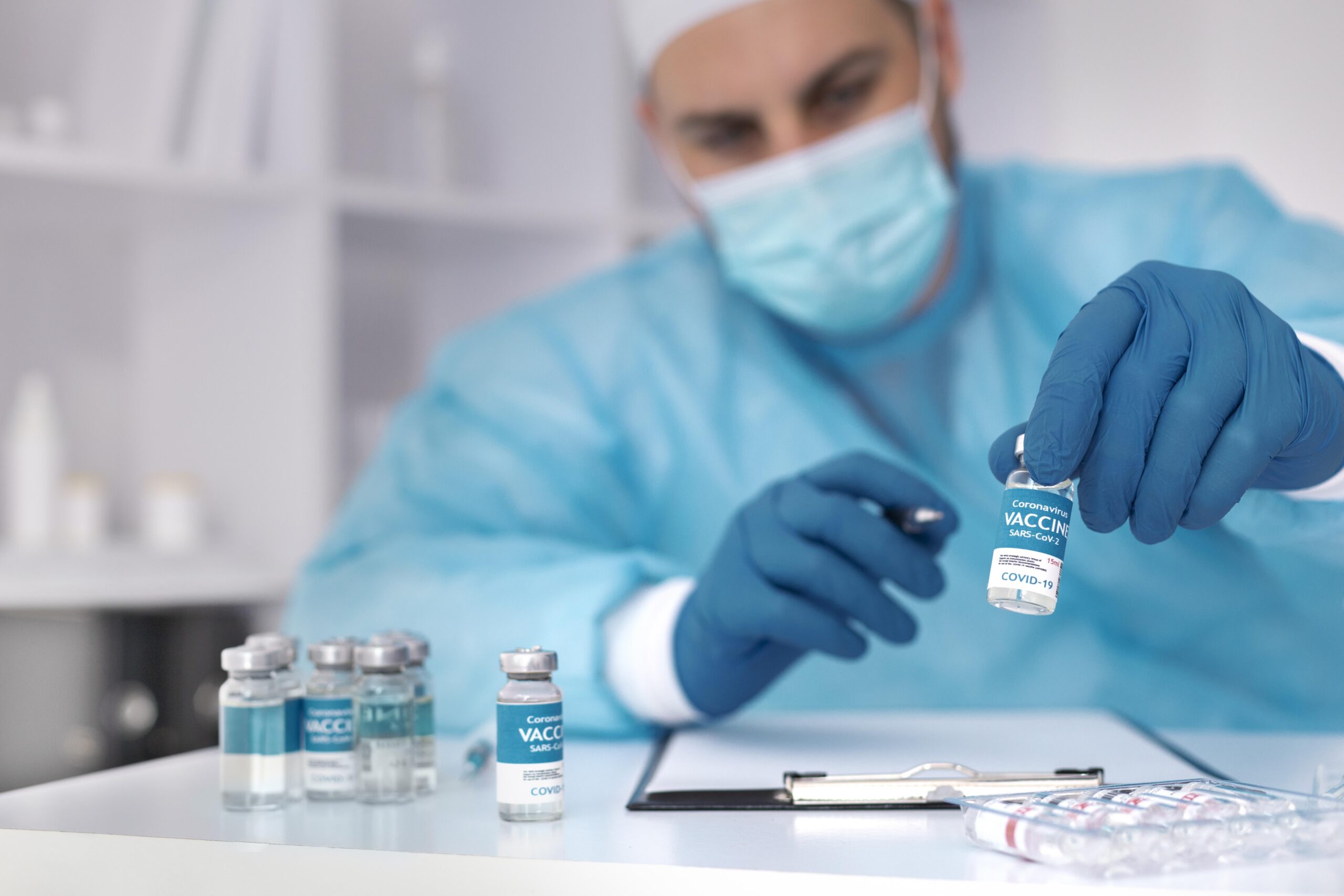
WHY THE COLD CHAIN IS ESSENTIAL FOR MEDICINES
Pharmaceutical products are particularly sensitive to temperature fluctuations. A break in the cold chain can:
- alter the active ingredients
- reduce therapeutic efficacy
- result in the rejection of the batches
- pose risks to patients
Temperature control is therefore a major regulatory and health issue.
Strict regulatory requirements (GDP)
REGULATIONS FOR THE PHARMACEUTICAL COLD CHAIN: GDP AND MEDICATION TEMPERATURE
The transport and storage of medicines are governed by Good Distribution Practices (GDP). These standards require:
- strict temperature control
- full shipment tracking
- documentation at every stage
- the use of certified equipment
The goal is to ensure the integrity of medications from the manufacturer to the patient.

Temperature ranges that must be strictly adhered to
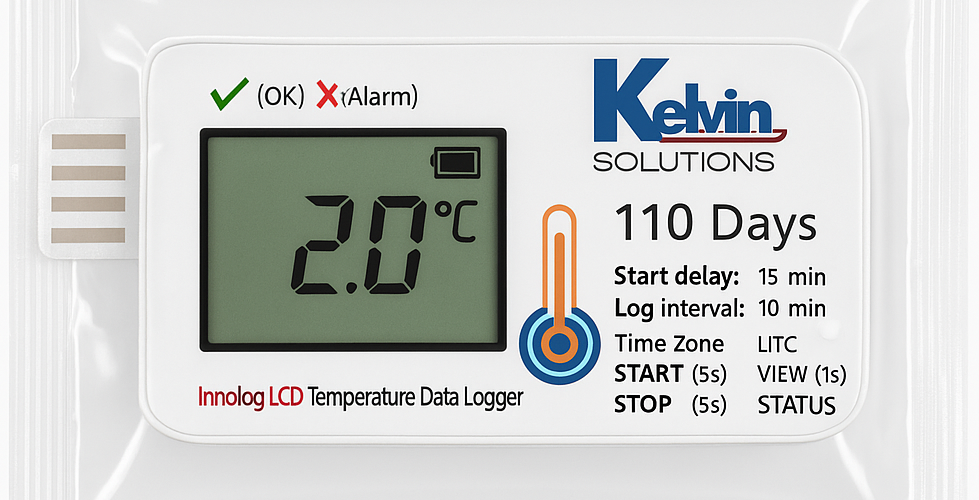
TRANSPORT TEMPERATURE FOR MEDICINES 2–8°C 15–25°C PHARMACEUTICAL COLD CHAIN
Even a minor variation can result in non-compliance and render the products unusable.
Complex and demanding logistics
LOGISTICAL CHALLENGES IN THE PHARMACEUTICAL COLD CHAIN: TRANSPORTATION OF MEDICINES
Managing the pharmaceutical cold chain involves:
- international temperature-controlled transport
- load break management
- real-time monitoring of conditions
- coordination among multiple logistics providers
Even a slight temperature deviation can lead to significant losses and regulatory non-compliance.
Des solutions adaptées aux exigences pharmaceutiques
TEMPERATURE LOGGERS FOR THE PHARMACEUTICAL COLD CHAIN
Kelvin Solutions offers a range of temperature monitoring solutions designed to meet the specific requirements of the pharmaceutical industry and ensure that your shipments remain compliant.
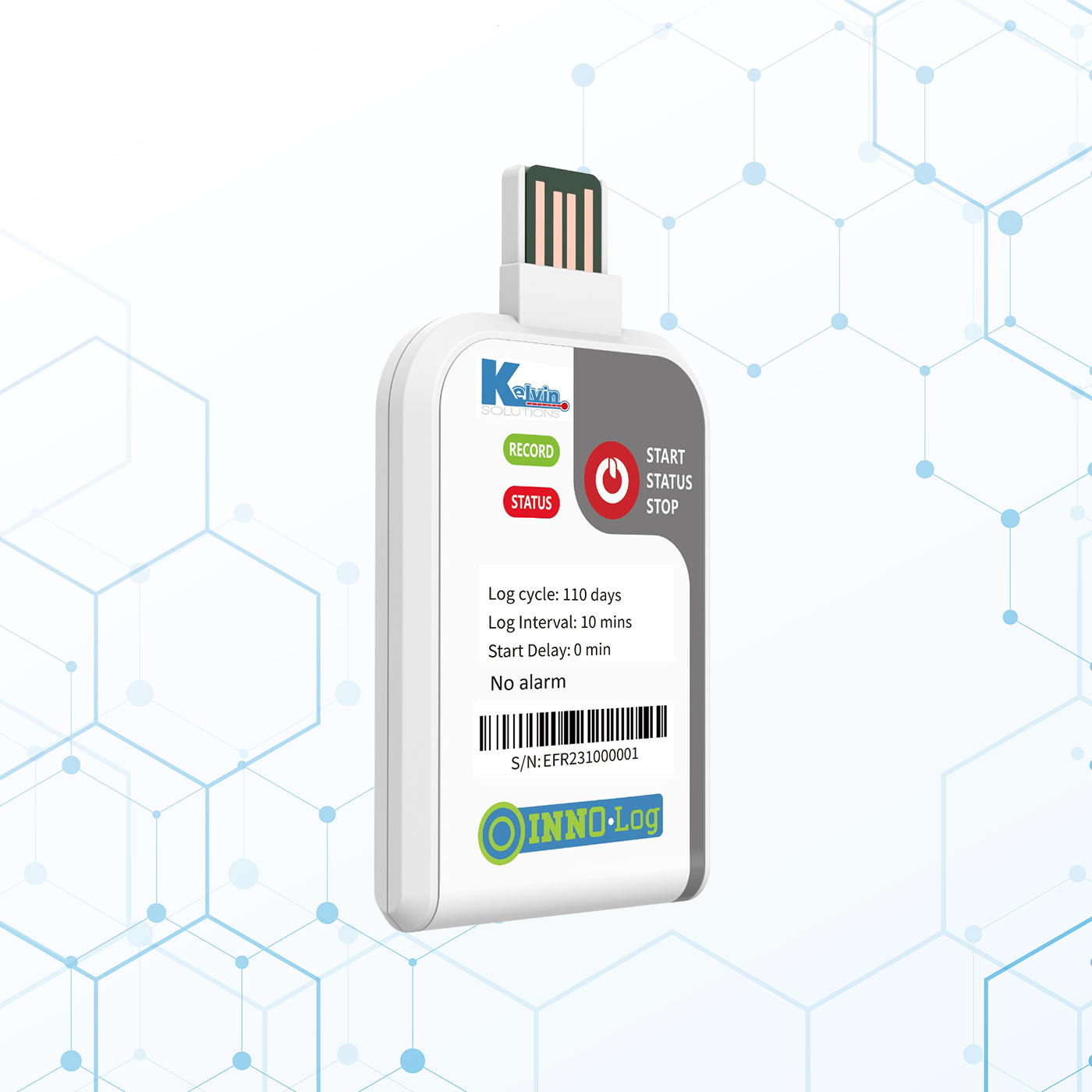
Single-Use Loggers
Ideal for long-distance shipments and international transport.
- Easy setup
- Automatic Report
- Compliant with pharmaceutical standards
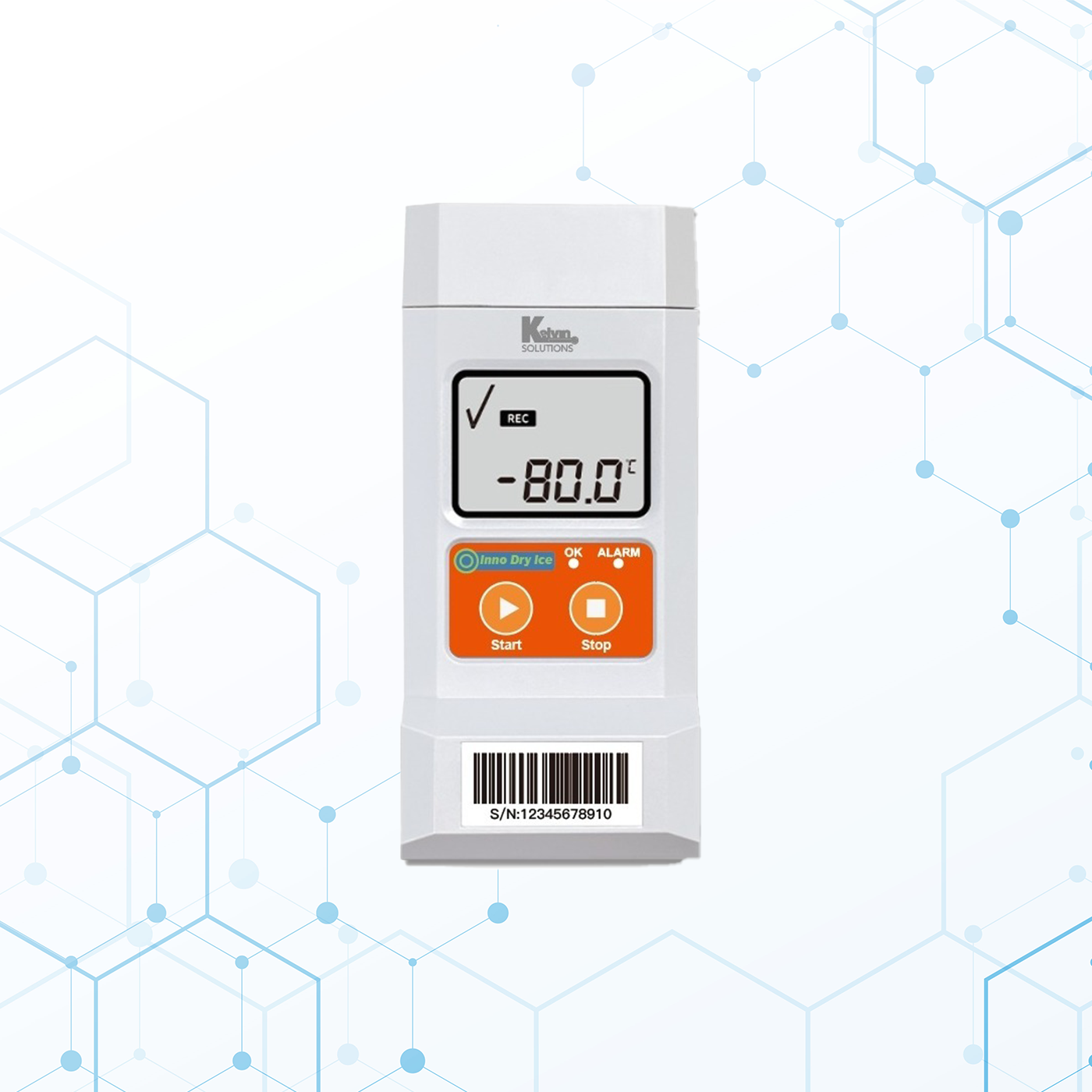
Reusable Loggers
Optimized for the regular and ongoing monitoring of your logistics flows.
- High precision
- Reusable
- Customizable configuration
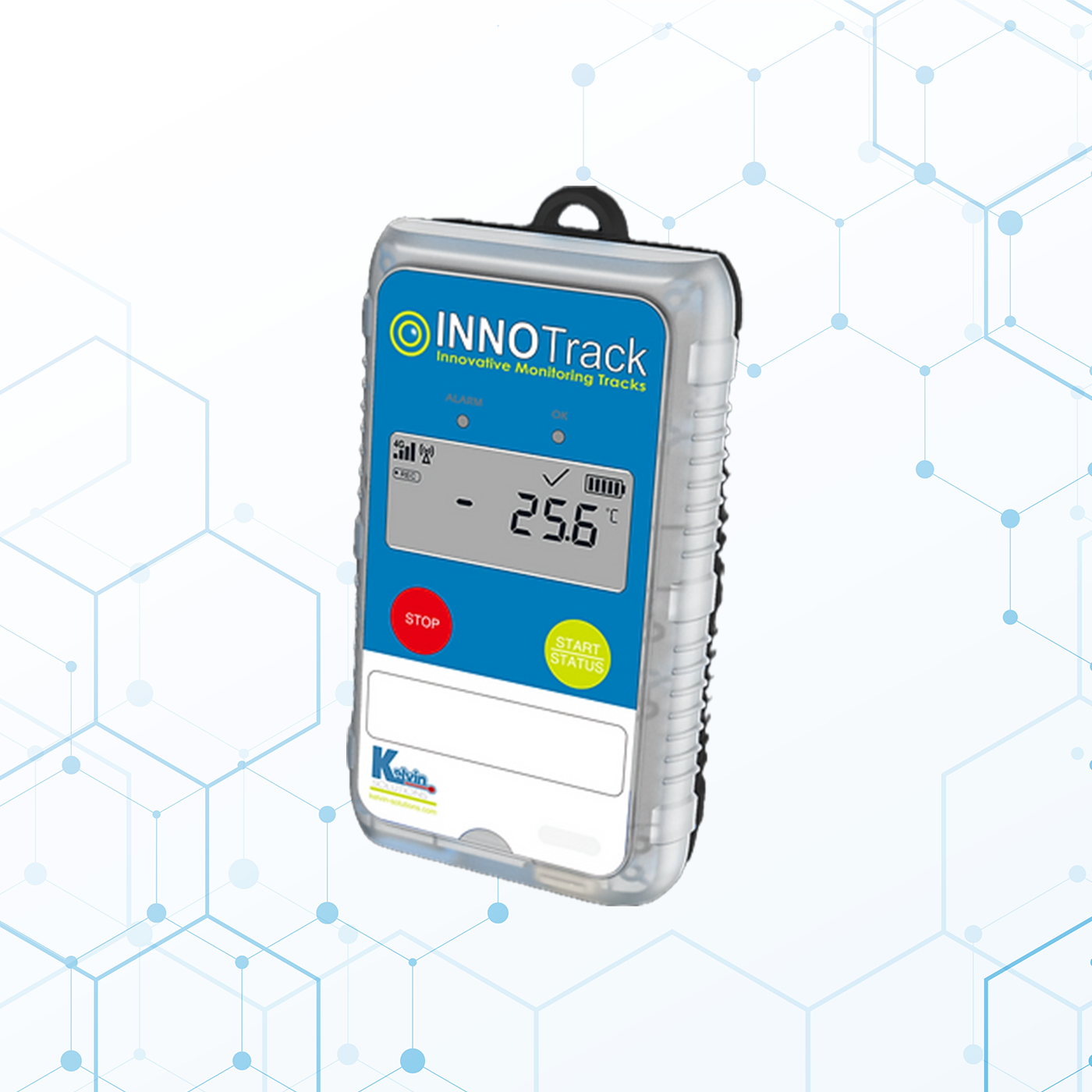
Monitor to ensure compliance
PHARMACEUTICAL TEMPERATURE MONITORING AND COLD CHAIN DATA LOGGERS
Temperature monitoring solutions enable you to:
- measure and record data continuously
- detect anomalies quickly
- document the requirements for audits
- ensure product traceability
Temperature data loggers are essential for ensuring the safety of pharmaceutical supply chains.
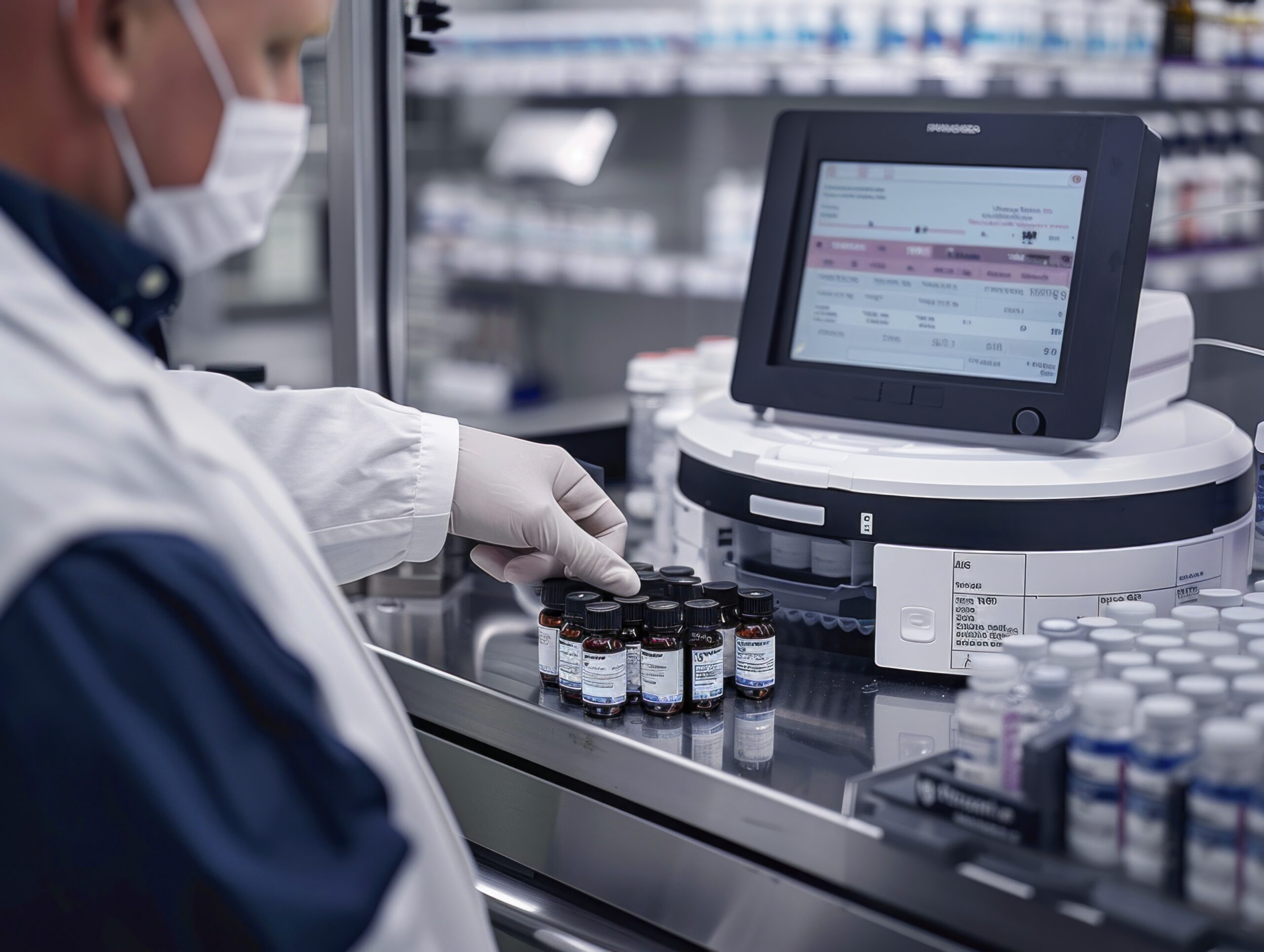

Member of Polepharma
We are proud to be a member of Polepharma, Europe's leading pharmaceutical cluster. This partnership strengthens our commitment to innovation and excellence in the solutions offered to the healthcare industry.
FAQ - Pharmaceutical Cold Chain and Temperature Monitoring
Why is the cold chain essential for pharmaceutical products?
The pharmaceutical cold chain is essential for maintaining the efficacy of medicines. Temperature fluctuations can alter active ingredients, reduce therapeutic efficacy and render a product non-compliant. It ensures quality, patient safety and compliance with regulatory requirements.
What are the recommended storage temperatures for medicines?
Medicines must be stored within strict temperature ranges depending on their nature: generally between 2°C and 8°C for biological products, or between 15°C and 25°C for medicines stored at room temperature. Certain specific products require sub-zero temperatures. Any deviation from these ranges may compromise their integrity.
What is the GDP standard in the pharmaceutical cold chain?
Good Distribution Practice (GDP) sets out guidelines for the transport and storage of medicines. It requires strict temperature control, full data traceability and accurate documentation to ensure product quality throughout the supply chain.
How can temperature be monitored effectively during transport?
Monitoring relies on the use of temperature data loggers or real-time monitoring solutions. These devices enable the measurement, recording and analysis of transport conditions in order to detect anomalies and ensure that shipments comply with regulations.
What are the risks if the cold chain is broken?
A breach in the cold chain can lead to the deterioration of medicines, their withdrawal from the market, significant financial losses and risks to patients’ health. It can also result in regulatory non-compliance and logistical disputes.
How can the traceability of pharmaceutical products be ensured?
Traceability relies on the collection of reliable data throughout transport and storage. Monitoring solutions enable the generation of detailed reports, which are used during audits to demonstrate compliance with temperature requirements and ensure compliance.