

Ensuring the safety of the food supply chain
FOOD COLD CHAIN: MONITORING AND TRACEABILITY OF FOOD PRODUCTS
In the food industry, the cold chain is essential for ensuring the quality, food safety, and compliance of perishable products.
Kelvin Solutions supports professionals with temperature monitoring and traceability solutions tailored to the needs of the food supply chain.
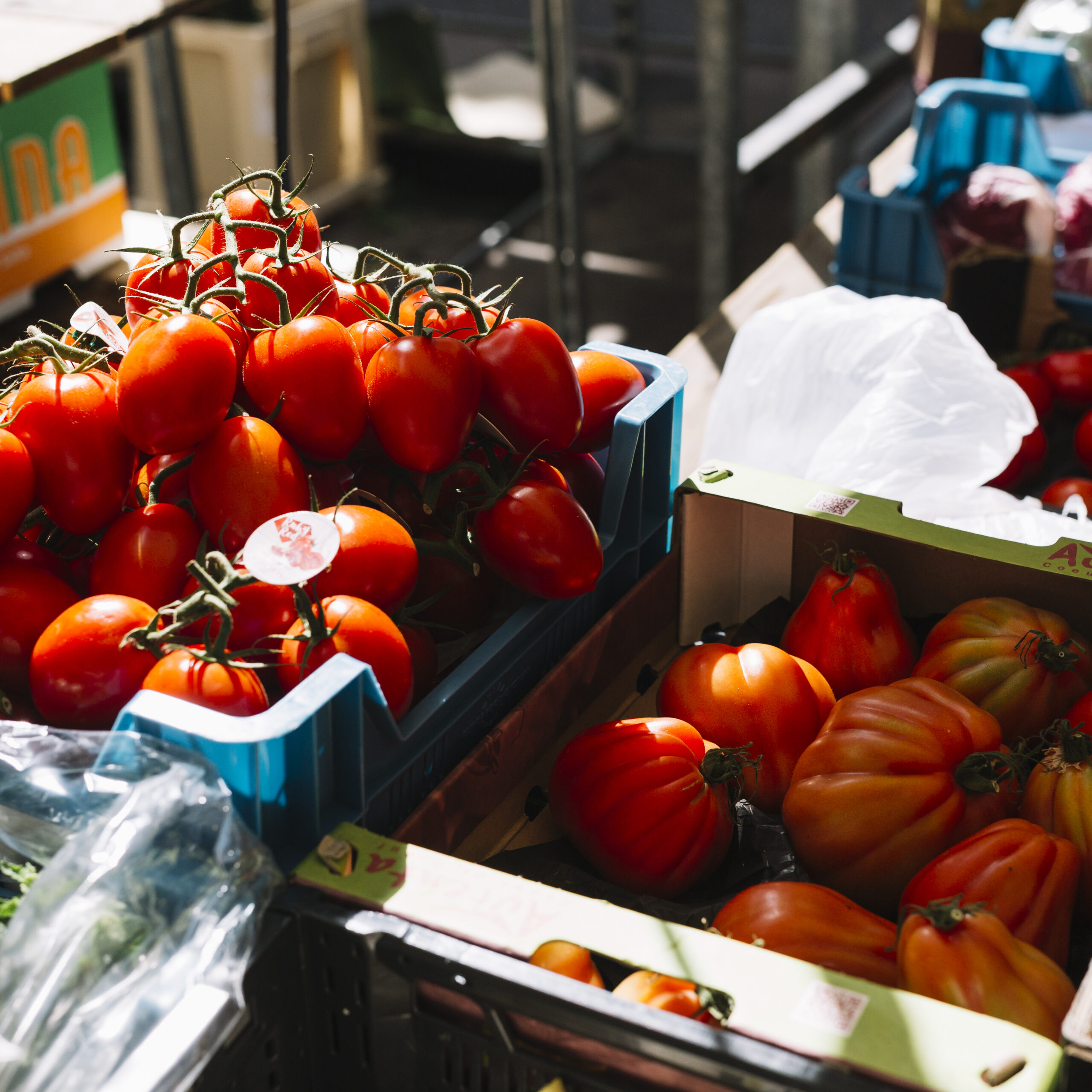
Food security cannot tolerate any disruptions
CHALLENGES IN THE AGRI-FOOD COLD CHAIN AND FOOD SAFETY
In the food industry, a break in the cold chain can have immediate consequences.
Fluctuations in temperature can promote bacterial growth, impair product quality, and compromise consumer safety.
The cold chain doesn’t just protect products. It protects consumers’ health.
Consistency at every stage
STAGES OF THE FOOD COLD CHAIN: TRANSPORT, STORAGE, DISTRIBUTION
From production to distribution, every stage of the cold chain must be strictly controlled. Even the slightest interruption, however brief, can compromise product quality.
Production and Processing
Immediately after production, products must be quickly stabilized under appropriate conditions to preserve their freshness and minimize the risk of spoilage.
Transport under controlled conditions
The products are transported in specially equipped vehicles capable of maintaining constant conditions.
Storage in a suitable environment
Warehouses and cold storage facilities allow products to be stored under controlled conditions prior to distribution, while ensuring optimal inventory management.
Distribution to the point of sale
The cold chain must be maintained all the way to the final link to ensure the quality of the products made available to consumers.
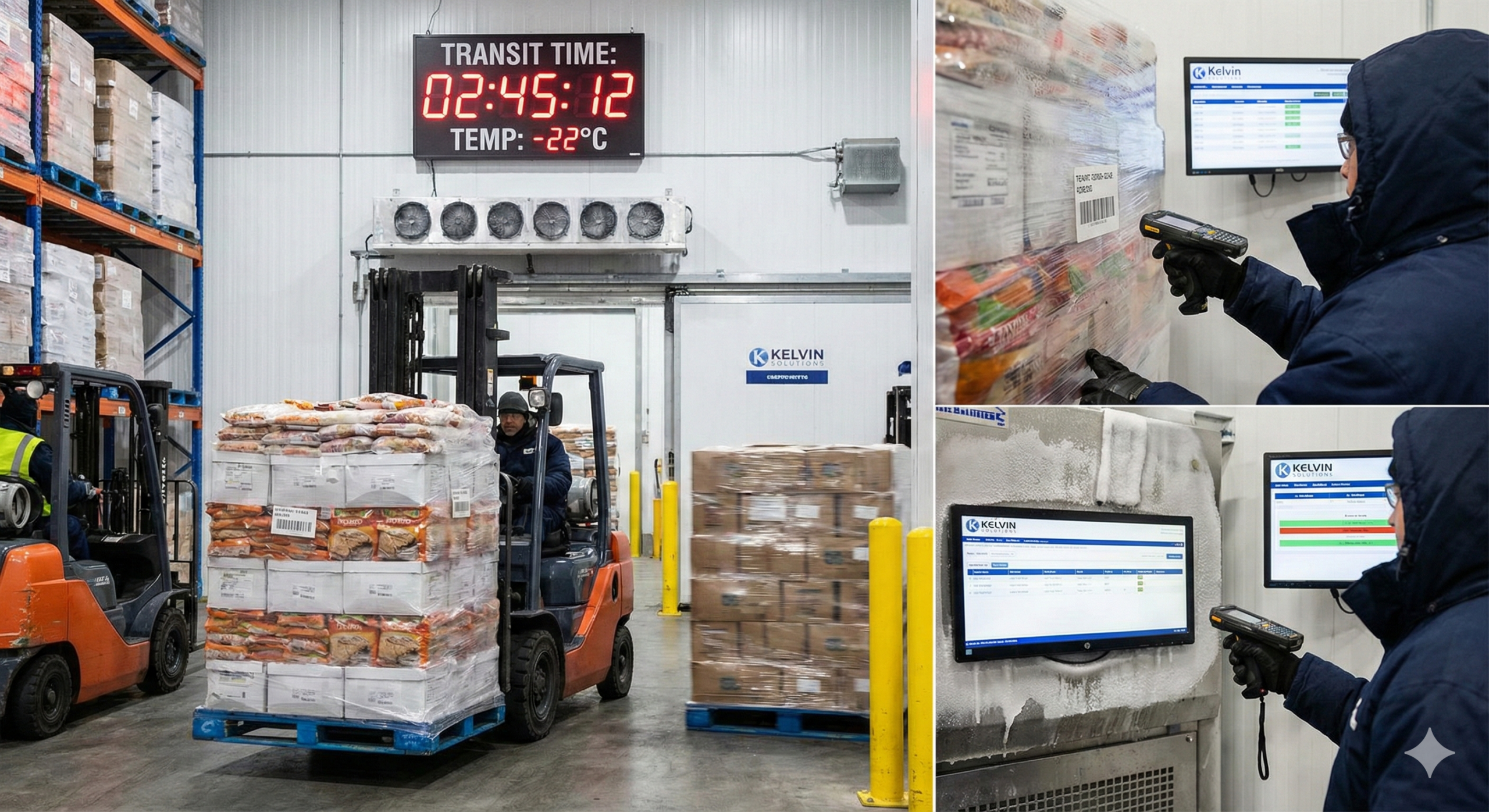
Strict regulatory requirements
REGULATIONS FOR THE FOOD COLD CHAIN, HACCP, AND STANDARDS
The food industry is governed by strict standards (HACCP, European regulations).
Companies must:
- ensure food safety
- ensure product traceability
- monitor logistical conditions
- document their operations
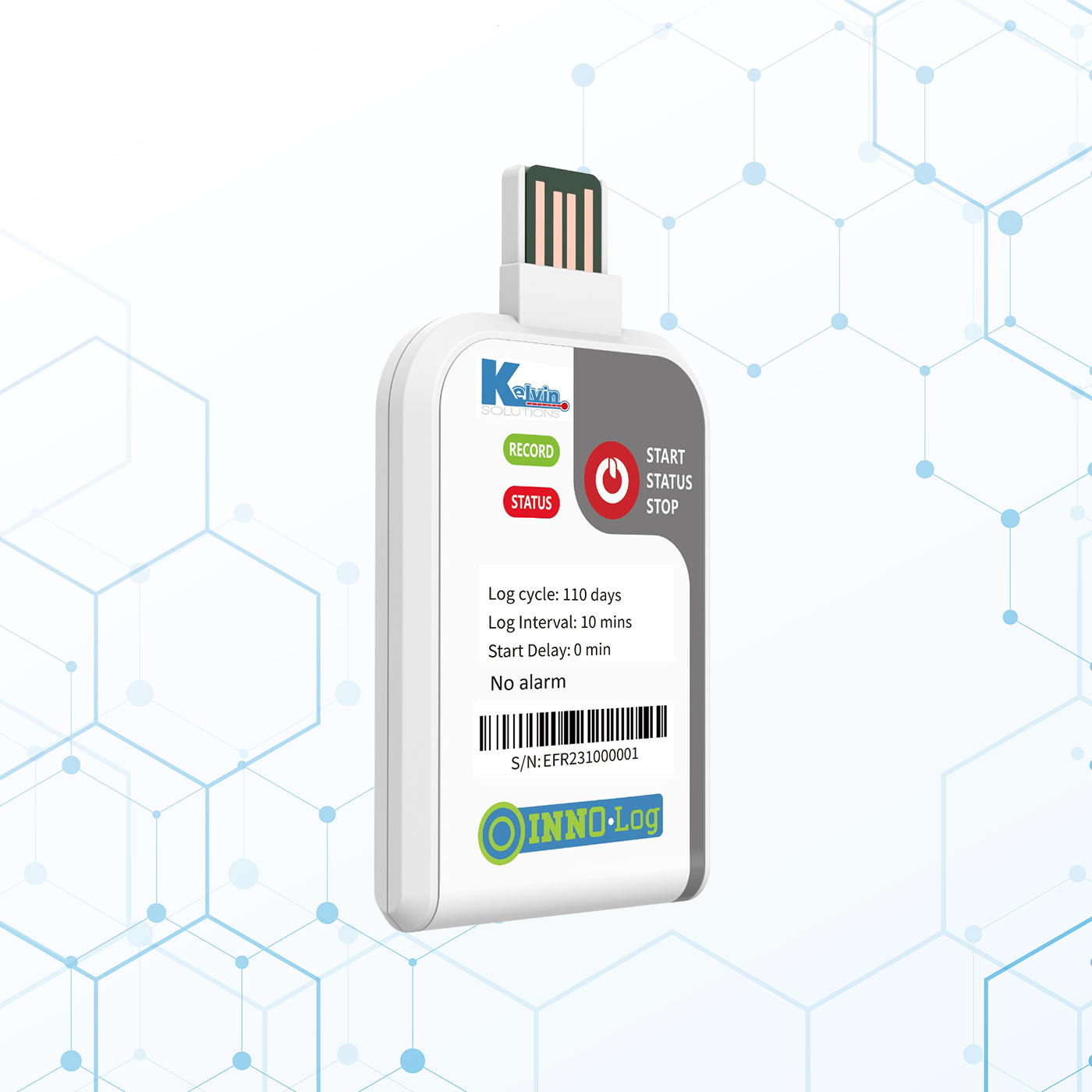
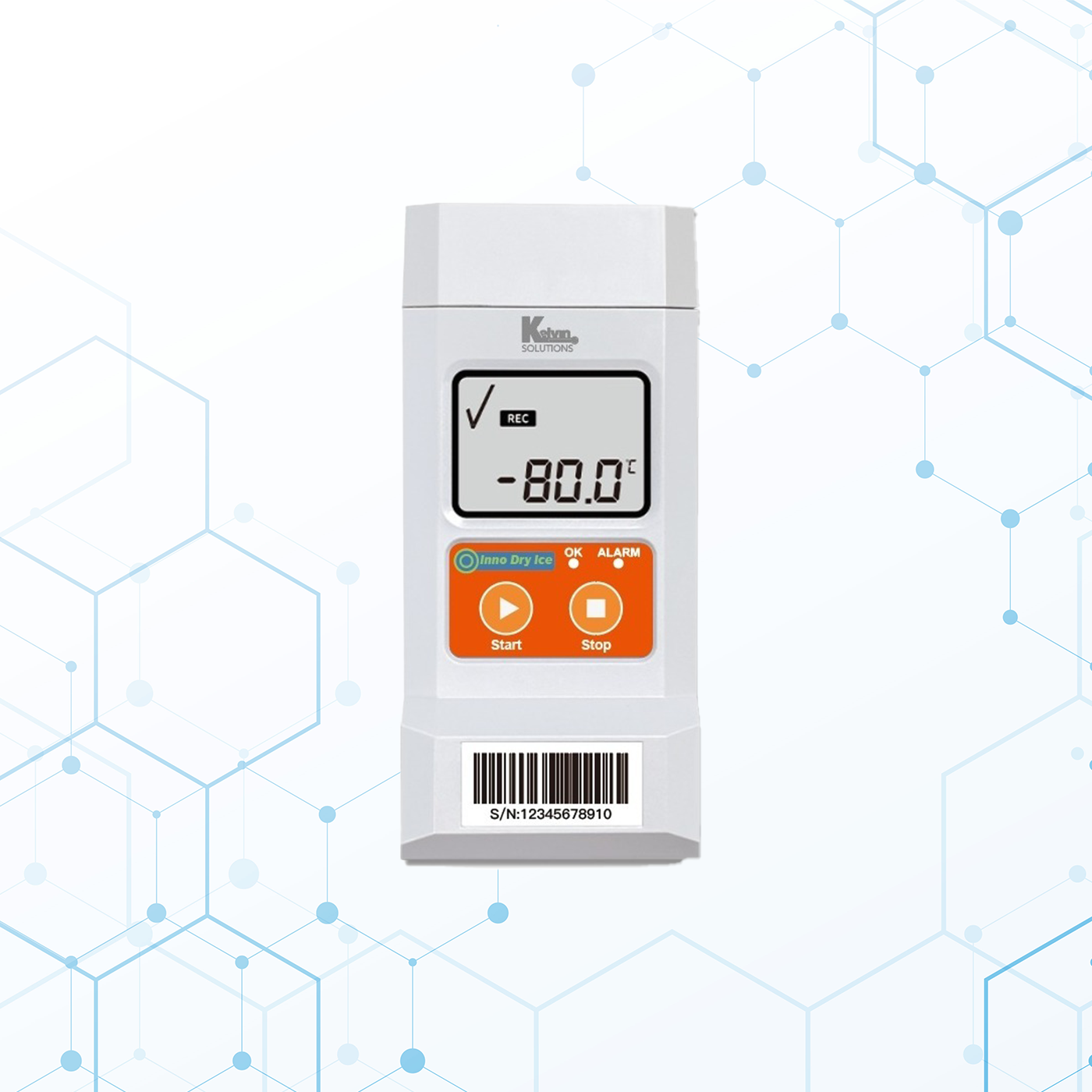
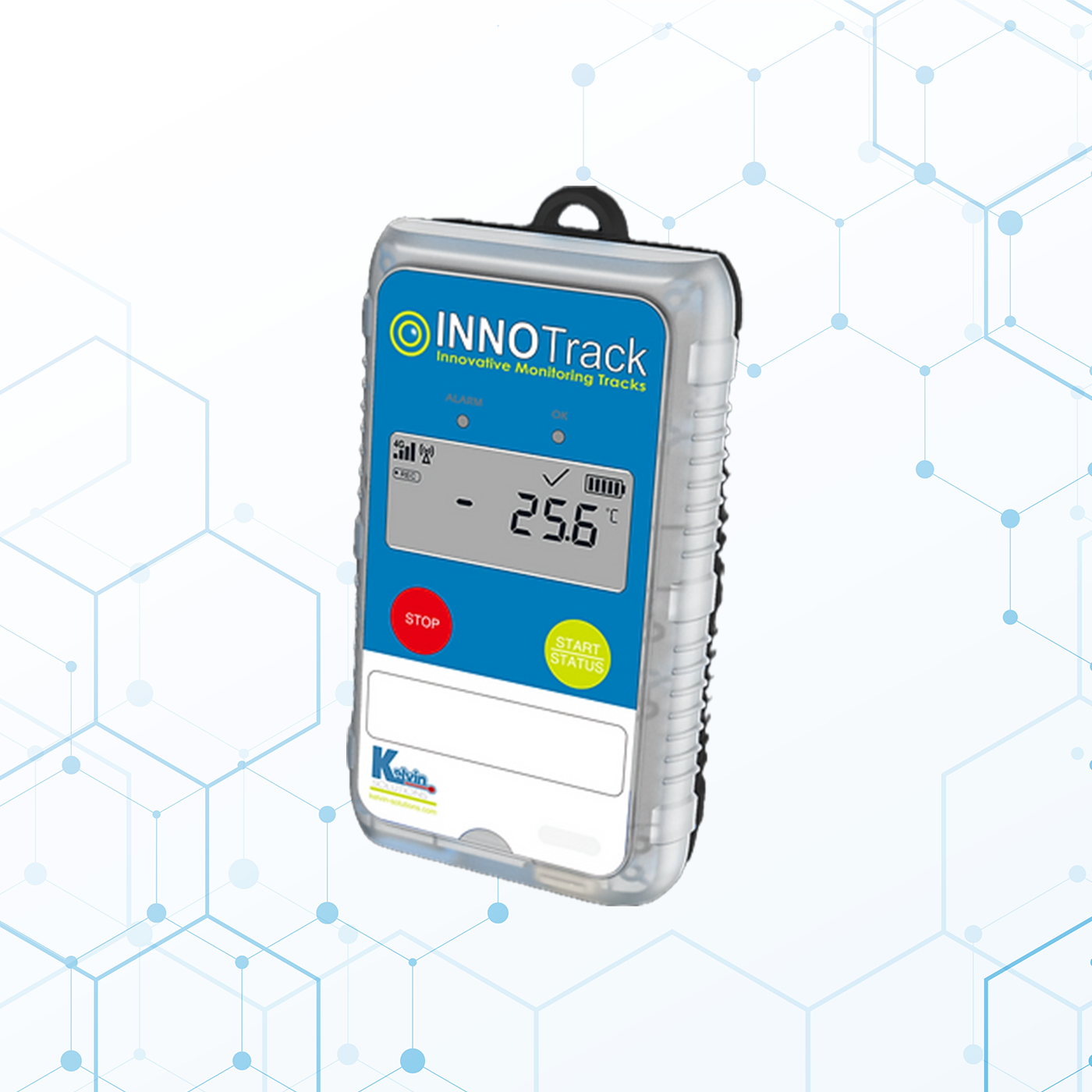
Why Choose Kelvin Solutions
Continuous monitoring and immediate alerts.
In an industry where even the slightest change can have immediate consequences, it is essential to rely on solutions that are reliable and tailored to the challenges on the ground.
Case Study – Dairy Product Transport
- Problem Identified
An agri-food exporter lacked visibility during maritime transport, which posed risks of cold chain breaches and losses.
- Solution Deployed
Deployment of connected data loggers to continuously monitor conditions, with alerts in case of deviations and the generation of compliant reports.
- Results Achieved
- -40% fewer disputes upon arrival
- Improved product shelf life
- Enhanced customer satisfaction
FAQ on the food supply chain
Why is the cold chain essential in the food industry?
The cold chain is essential for ensuring food safety. A break in the cold chain can encourage the growth of bacteria, compromise product quality and render products unfit for consumption. It also helps to preserve freshness and meet regulatory requirements.
What are the main risks if the cold chain is broken?
A breakdown can lead to loss of goods, food waste, regulatory non-compliance and disputes with distributors. It can also have a direct impact on brand reputation and customer confidence.
How can we ensure the cold chain remains unbroken?
Continuity depends on effective management of every stage of the logistics process: production, transport, storage and distribution. The use of monitoring solutions enables conditions to be tracked continuously and any anomalies to be identified quickly.
What regulations govern the food supply chain?
The sector is governed by strict standards, notably the HACCP system, which requires a risk analysis and the implementation of controls at every stage to ensure food safety.
How can we ensure the traceability of food products?
Traceability relies on the collection and recording of data throughout the supply chain. Temperature loggers enable conditions to be documented and provide evidence in the event of an inspection or audit.
Why use temperature loggers in the food industry?
Temperature loggers enable continuous monitoring of conditions, the detection of deviations and the safeguarding of shipments. They help to reduce losses, ensure compliance and improve the management of logistics flows.