
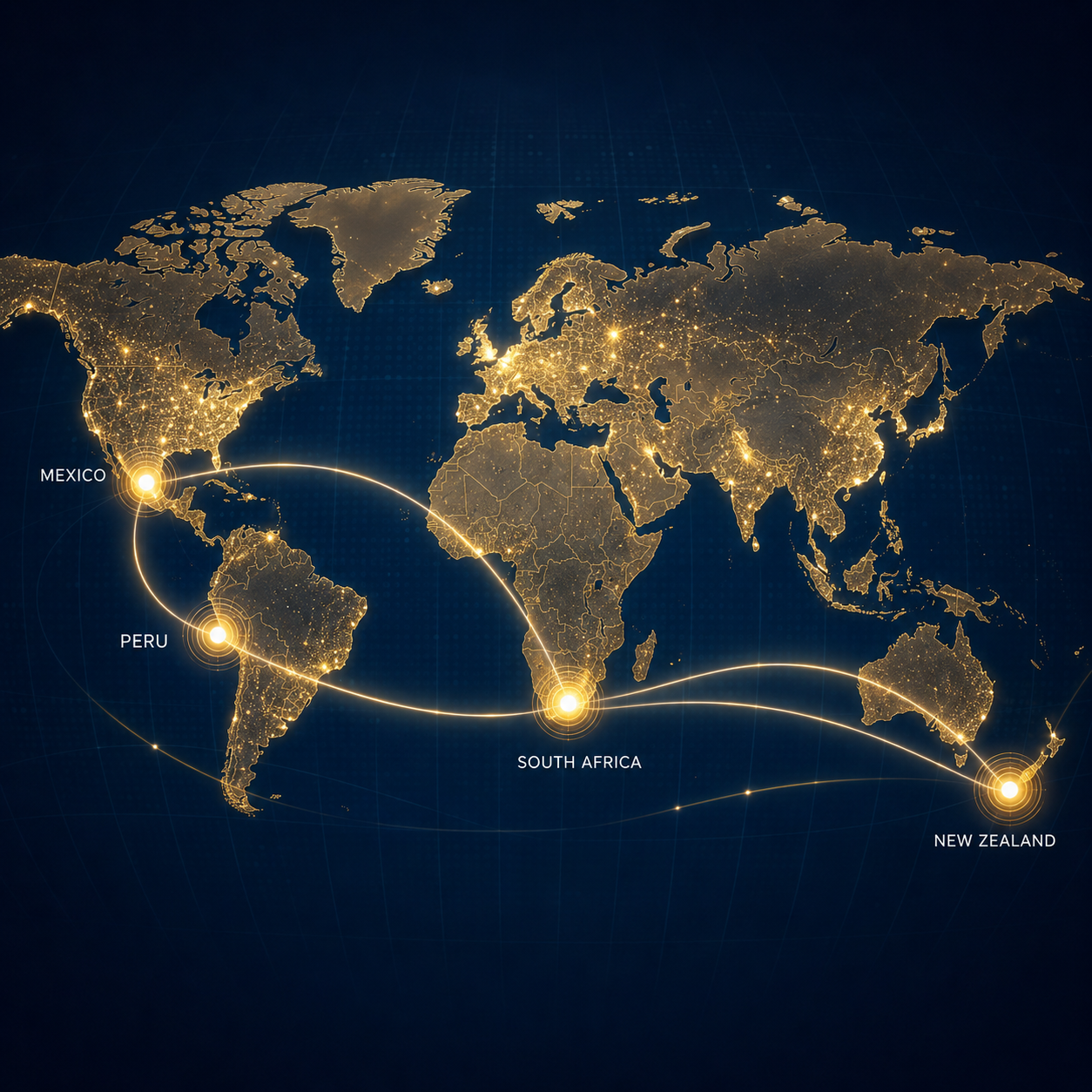
Exporting temperature-controlled goods means having to deal with different regulations, varying infrastructure and extreme weather conditions. What works in Europe does not necessarily work in Peru or New Zealand. And a temperature fluctuation 15,000 km away is a crisis that cannot be managed by simply travelling to the site.
Why international transport is a challenge in its own right
Why international transport is a challenge in its own right. Domestic transport involves a well-managed supply chain: qualified carriers, certified warehouses and familiar regulations. When it comes to international transport, every border crossed introduces a new variable: an unfamiliar local carrier, customs holding up the goods, or an unexpected outside temperature.
EUROPE: Global reference framework
Europe remains the most heavily regulated market for temperature-controlled transport. The EMA’s Good Distribution Practice (GDP) requirements mandate full traceability, carrier qualifications, and documented temperature deviation reports.
This is also the area where checks are most frequent and most rigorous. Documentation must be flawless: any incident not accompanied by a corresponding MKT assessment report may result in a batch being rejected.
European standards are often used as a benchmark for exports to other markets, particularly to countries that are gradually adopting GDP standards.
MEXICO: Heat, altitude and changing regulations

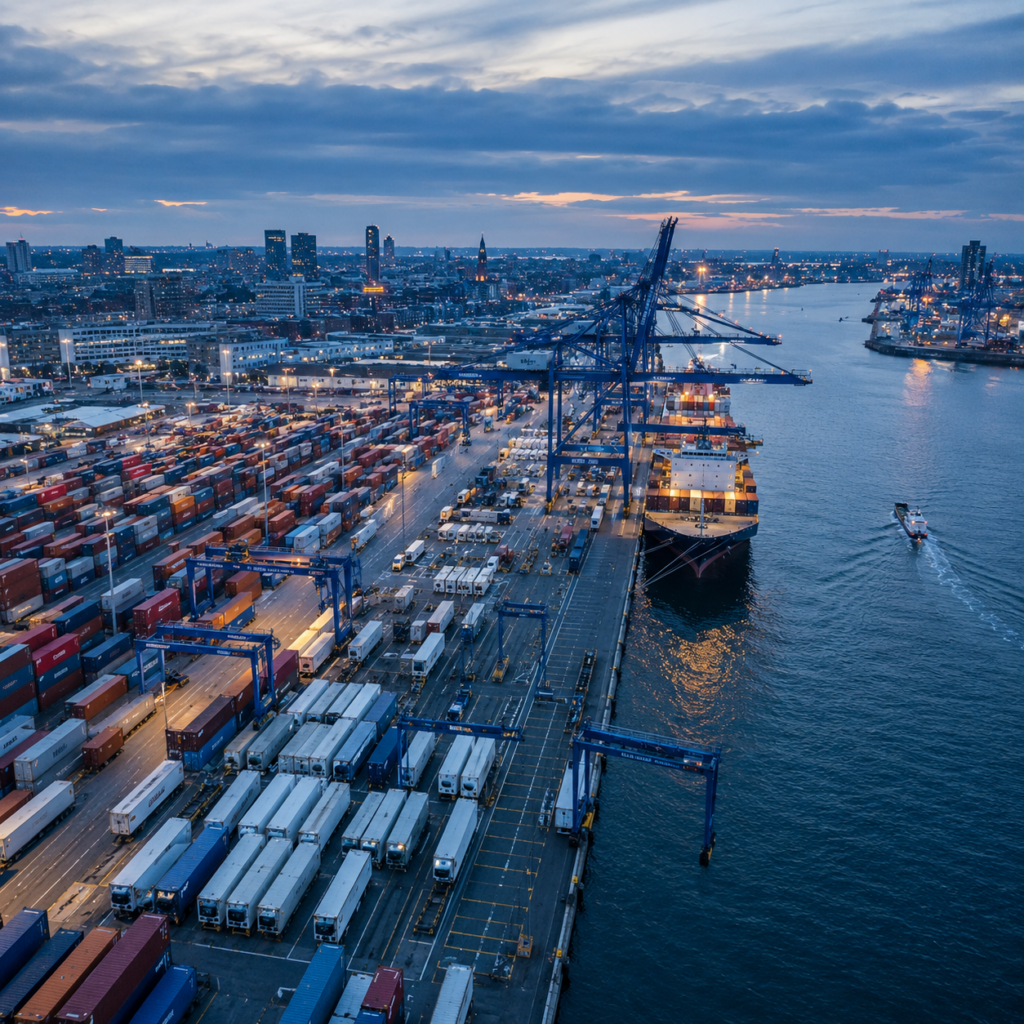
Mexico presents a combination of challenges that are rarely found together: extreme temperature differences between coastal areas (heat and humidity) and mountainous areas (high altitude, low atmospheric pressure), logistics infrastructure that varies from region to region, and regulations that are currently being brought into line with international standards.
COFEPRIS, the Mexican health authority, has tightened its requirements in recent years regarding the traceability of medicines. Pharmaceutical importers must now provide evidence that the cold chain has been maintained from start to finish, backed up by actionable data.
The main risk in this market is supply chain disruptions in the last few kilometres, in areas where refrigerated infrastructure remains limited. An on-board data logger makes it possible to record precisely when and where a temperature deviation occurred.
PERU: Extreme altitude and complex logistics
Peru is one of the most challenging countries in terms of temperature-controlled logistics. Its geography is extremely diverse: a desert coastline, the Amazon rainforest and the Andes, which rise to over 4,000 metres. Each region imposes different temperature constraints, which can sometimes conflict within a single shipment.
Altitude poses a particular problem: the reduced atmospheric pressure alters the behaviour of packaging and refrigerants. Packaging that has been approved in Europe does not necessarily perform well in the Peruvian Andes.
Peruvian pharmaceutical regulations, administered by DIGEMID, are gradually incorporating GDP standards. Exporters who submit complete documentation and reliable traceability data have a significant advantage during customs inspections.

SOUTH AFRICA: A rapidly growing regional hub

South Africa is the most well-structured pharmaceutical market on the African continent and serves as a logistics hub for much of sub-Saharan Africa. SAHPRA (the South African Health Products Regulatory Authority) applies traceability standards that are similar to the European GDP requirements.
The specific challenges are climate-related: very hot southern hemispheric summers (December to February), humidity that varies from region to region, and significant temperature differences between day and night in inland areas. Shipments from Europe often arrive during the European winter, coinciding with the height of the southern hemispheric summer.
The other challenge is regional redistribution: once in South Africa, goods may be forwarded to other African countries where infrastructure is even less reliable. Traceability must cover this entire final stage.
NEW ZEALAND: Record distance, high standards
New Zealand presents one of the most complex logistical challenges imaginable: a distance of 20,000 km from Europe, transit times of several days by air and several weeks by sea, and a regulatory framework (Medsafe) that leaves no room for approximation.
Transport time is the main risk factor. An air shipment takes at least 24 to 36 hours, including stopovers. A sea shipment may take more than 30 days. The data logger must record the entire duration without interruption.
New Zealand also enforces strict health checks on goods entering the country, including medicines. An incomplete traceability record may result in the goods being placed in quarantine, incurring considerable costs.
What all these areas have in common
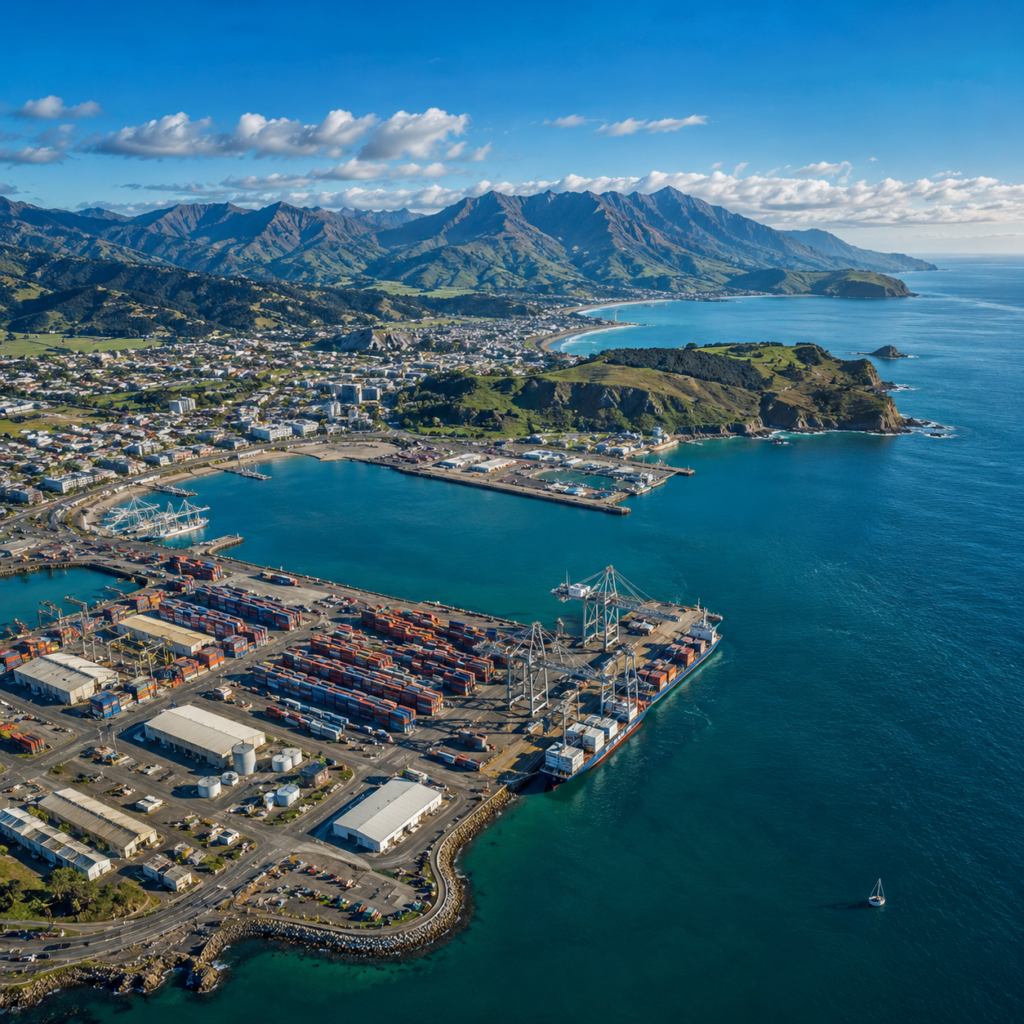
Despite their differences, all these markets share one fundamental requirement: proof. Proof that the temperature has been maintained, proof that any deviation has been detected and assessed, and proof that the product delivered matches what was dispatched.
Kelvin Solutions’ solution for international business
The Innolog™ Pro is designed for long-term use: up to 110 days of continuous recording and an automatically generated PDF report upon shutdown. It covers even the longest journeys, including those to New Zealand by sea.
Innotrack™ adds a layer of real-time visibility: geolocation, instant SMS and email alerts, and 4G/5G transmission via a multi-operator SIM card. The data can be accessed at any time via a secure cloud, from any country. Ideal for markets where the last few kilometres are the least predictable, such as Mexico or Peru.