

Controlling the temperature ensures the safety of your products
TEMPERATURE-CONTROLLED LOGISTICS: MONITORING SOLUTIONS WITH INNOLOG
Temperature-controlled logistics encompasses all the methods used to maintain a controlled temperature during the transport and storage of temperature-sensitive products.
It is essential for ensuring product quality, safety, and compliance, particularly in the pharmaceutical, food, and industrial sectors.
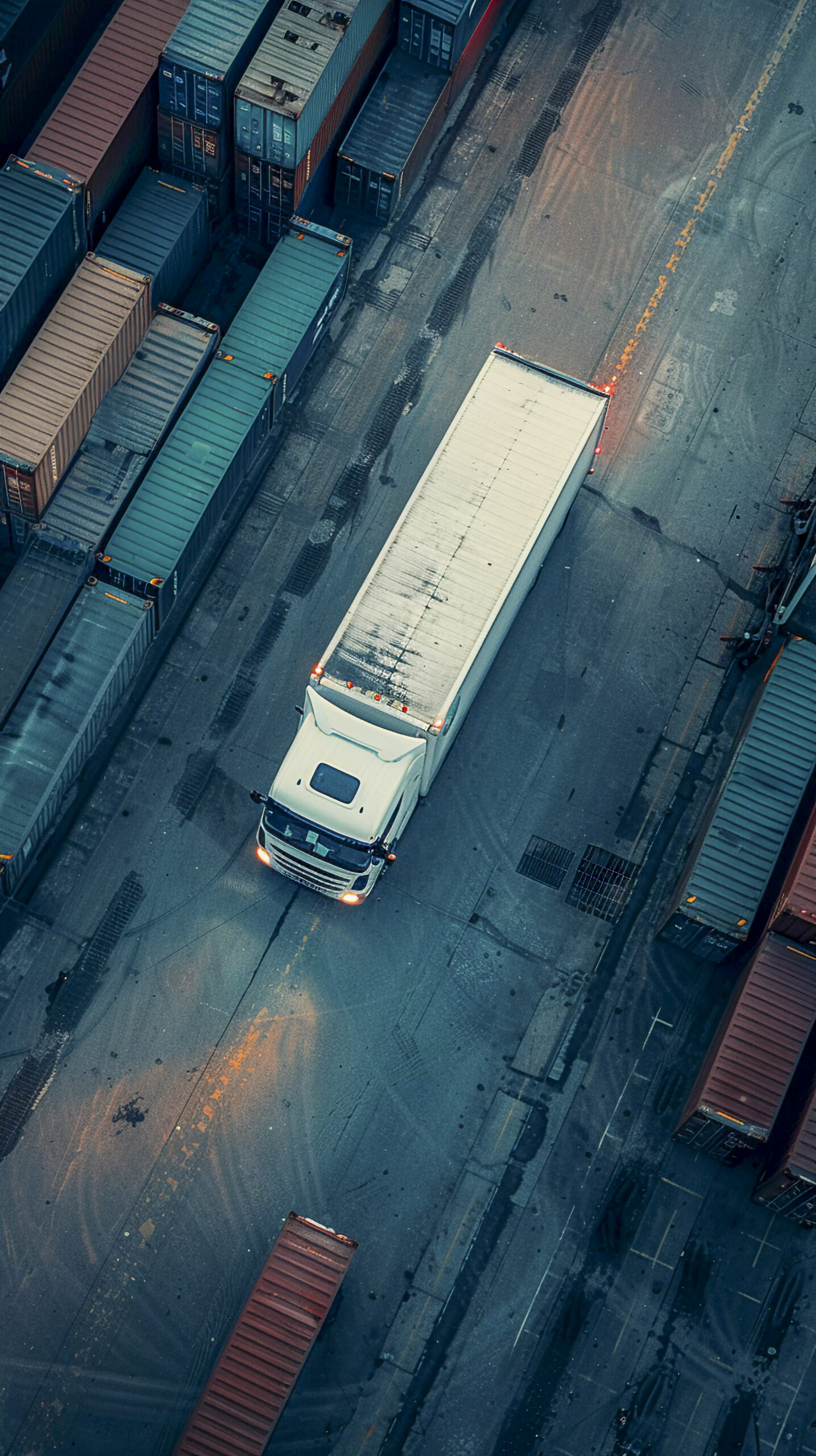
What is controlled temperature?
DEFINITION OF TEMPERATURE-CONTROLLED LOGISTICS
Temperature-controlled logistics refers to a logistics system that enables precise temperature control at every stage of the supply chain.
It applies to various types of products:
- fresh products
- frozen foods
- pharmaceutical products
The goal is to prevent any fluctuations that could affect product quality.
A commitment to precision at all times
CHALLENGES IN TEMPERATURE-CONTROLLED LOGISTICS FOR SENSITIVE PRODUCTS
In temperature-controlled logistics, every fluctuation matters.
Even a minor deviation can lead to a loss of quality, non-compliance or a health risk. Temperature control therefore becomes a strategic priority for businesses.
Here, logistics performance depends as much on temperature control as it does on delivery times.
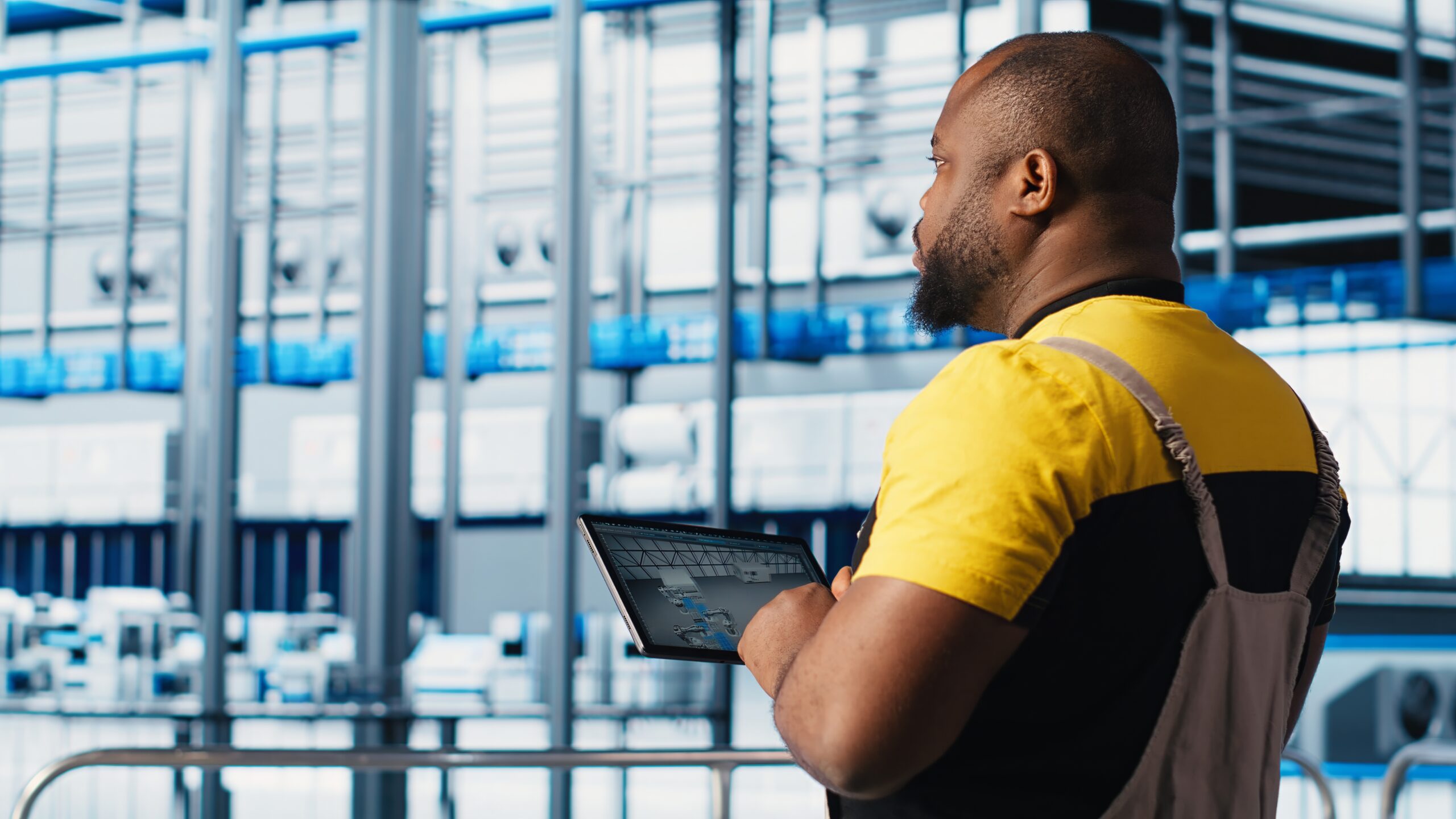
Mastering every step of temperature-controlled logistics
CONTROL PROCESSES IN TEMPERATURE-CONTROLLED LOGISTICS
Maintain a stable environment throughout transport and storage.
Conditions under control
Maintain a stable environment throughout transport and storage.
Secure transport
Ensure consistency across each stage of the logistics process.
Anomaly detection
Quickly identify discrepancies to minimize risks and losses.
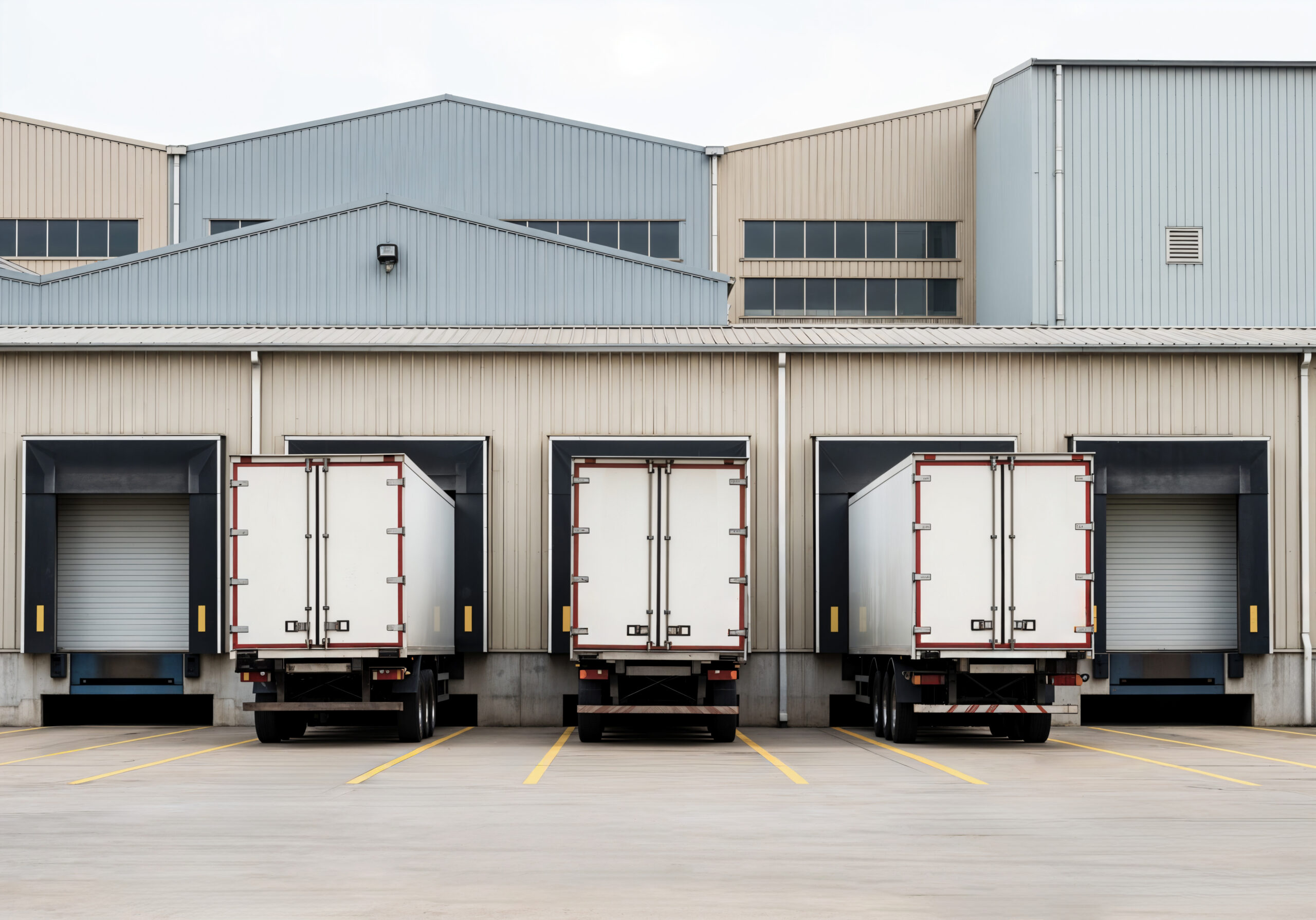
A complex supply chain to manage
CHALLENGES IN CONTROLLED-TEMPERATURE LOGISTICS
The challenges:
- multi-temperature transport
- load breaks
- climate variations
The issues:
- maintain product quality
- ensure compliance
- ensure traceability
Monitor to control
TEMPERATURE MONITORING FOR TEMPERATURE-CONTROLLED LOGISTICS
Temperature monitoring allows for continuous monitoring of logistics conditions.
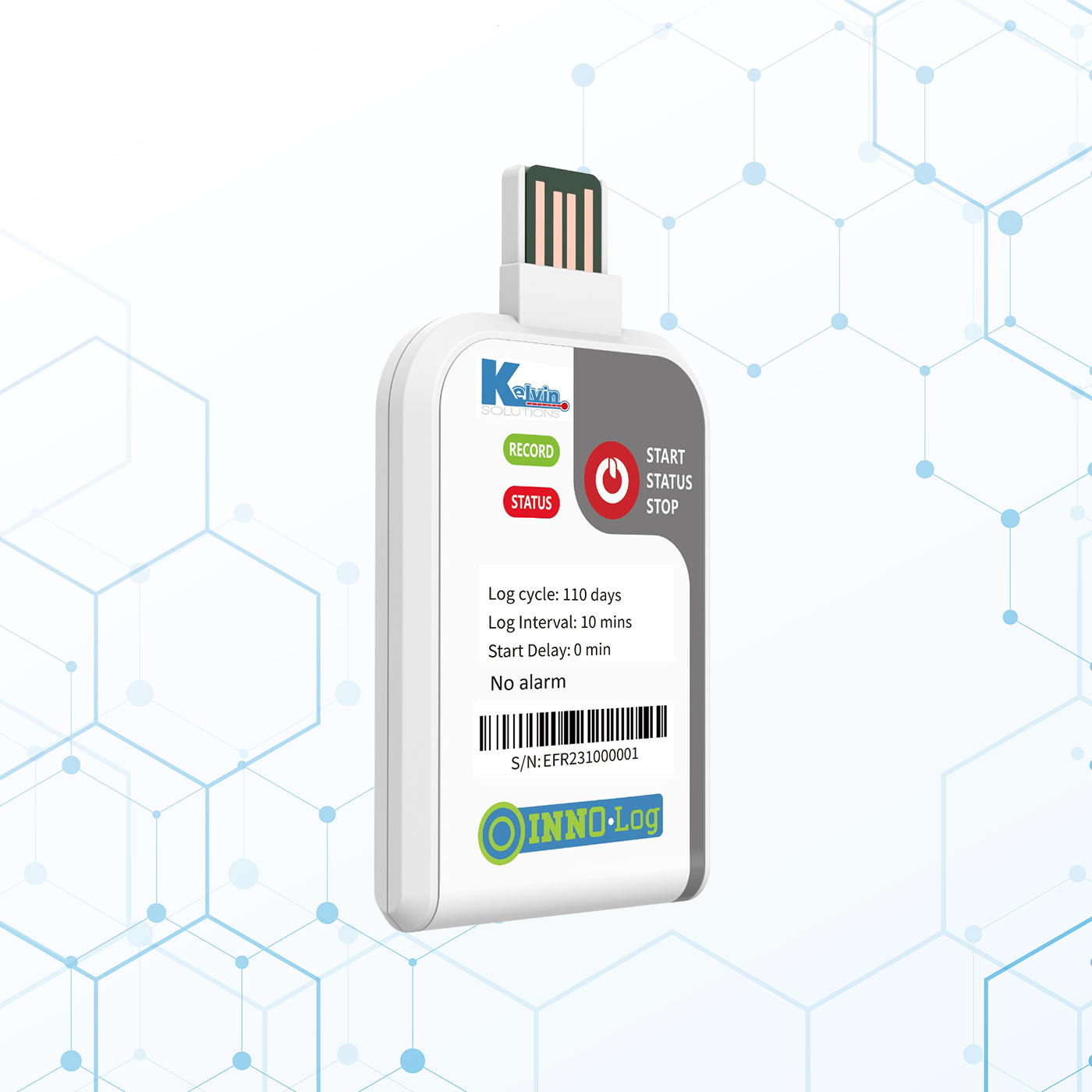
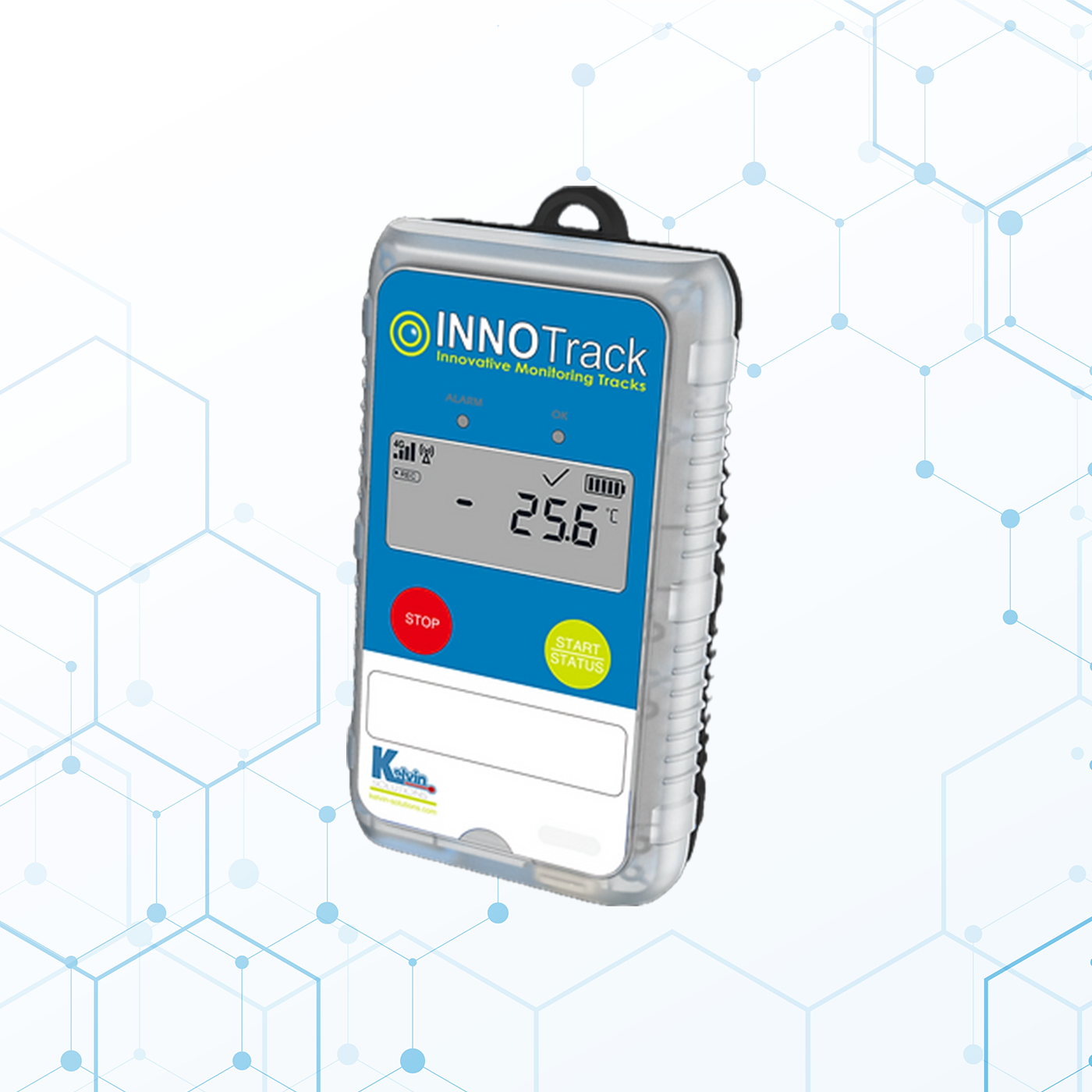
Innolog
Un outil indispensable pour les exportateurs et les professionnels de la logistique : qu’il s’agisse de transport terrestre, maritime ou aérien, cet enregistreur polyvalent et économique est réputé pour sa fiabilité, sa simplicité d’utilisation et son prix abordable.
Cloud
Secure cloud platform centralizing all your traceability data. Customizable dashboards, automated reports, and secure sharing with your clients or regulatory authorities.
Securing a supply chain
CUSTOMER CASE STUDY: TEMPERATURE-CONTROLLED LOGISTICS
Since implementing Kelvin solutions, we have reduced our temperature-related disputes by 78% and improved our compliance. The system integrated seamlessly with our existing TMS, significantly simplifying our daily operations.
Thomas D., Directeur Logistique
FAQ on Temperature-Controlled Logistics and Monitoring
What is temperature-controlled logistics?
Temperature-controlled logistics involves maintaining controlled conditions throughout the transport and storage of temperature-sensitive products. It ensures the quality, safety and compliance of goods.
What is the difference between the cold chain and temperature-controlled storage?
The cold chain mainly concerns products that require low temperatures, whereas temperature-controlled storage encompasses all controlled conditions, whether cold, ambient or specific.
Which products require temperature-controlled storage?
This applies to a wide range of products: medicines, foodstuffs, cosmetics, and certain industrial products that are sensitive to changes in conditions.
Why is it important to monitor logistics conditions?
Monitoring enables the detection of discrepancies, the prevention of risks and the assurance of product quality throughout the supply chain.
How can conditions be effectively monitored during transport?
Thanks to monitoring solutions such as temperature loggers, which enable data to be measured, recorded and analysed throughout the transport process.
What are the risks if there is a lack of oversight?
A lack of control can lead to product losses, regulatory non-compliance, logistics disputes and an impact on the quality of goods.