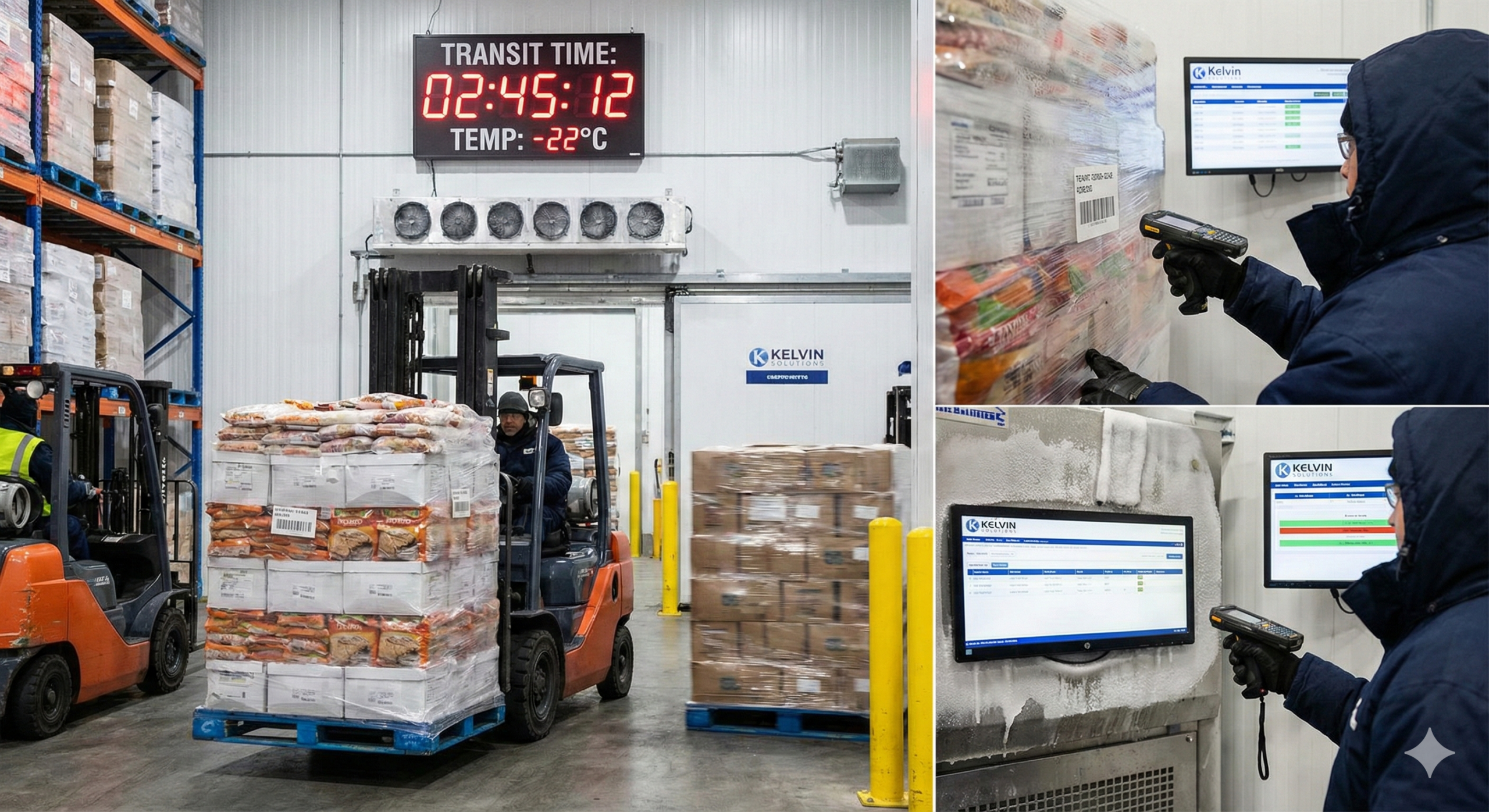

Winter: a false sense of security for the cold chain
At first glance, winter appears to be a favorable period for exporting temperature-sensitive products. Low outdoor temperatures give the impression that thermal risk is naturally under control.
However, in practice, winter is one of the most critical periods for the cold chain, especially for exports.
This deceptive perception can lead to a relaxation of controls, even though temperature variations remain frequent and sometimes more difficult to detect.

Sensitive Products… Also to Excessive Cold
Contrary to popular belief, the risk does not solely come from heat.
Many food and biological products — fresh fruits, dairy products, pastries, breads, premium products — are sensitive to excessively low temperatures.
Prolonged exposure to excessive cold can cause:
- texture alterations
- internal damage invisible upon reception
- a loss of quality or commercial value
Thus, even in winter, strict adherence to recommended temperature ranges remains essential.
Increased logistical constraints during winter
Winter also accentuates several logistical constraints:
- extended transport times
- weather conditions disrupting flows
- prolonged waiting times at customs or platforms
- thermal variations during loading and unloading operations
These situations increase the risk of cold chain disruption, even when the outdoor temperature seems favorable.

Temperature Traceability: The Only Objective Proof in Case of Disputes
In this context, temperature traceability becomes a central tool for exporters.
It allows for:
- precisely monitoring actual transport conditions
- identifying thermal deviations
- understanding when an incident occurred
- having reliable proof in case of dispute upon reception
For some clients and importers, the temperature report is now a contractual prerequisite, sometimes conditioning the acceptance or payment of goods.
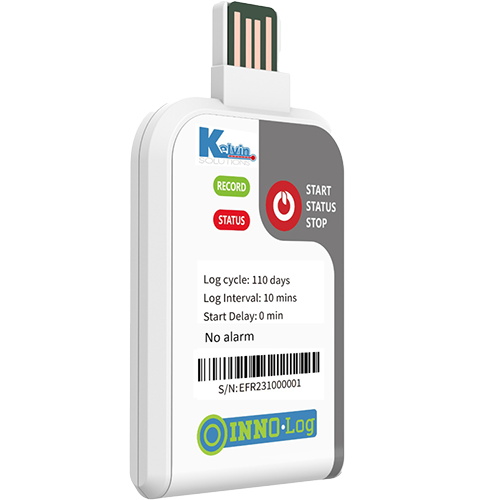
Active Monitoring vs. Passive Climatic Conditions
Relying solely on the winter season to secure transport is a strategic error.
The performance of the cold chain primarily depends on:
- reliable temperature monitoring solutions
- documented control processes
- intelligent utilization of collected data
Whether it’s a standalone logger or a connected system, active monitoring remains the only guarantee of compliant transport, regardless of climatic conditions.
Exporting sensitive products in winter is not synonymous with automatic safety.
On the contrary, the winter season can conceal invisible thermal risks, making the cold chain more vulnerable if not actively monitored.
Implementing temperature traceability solutions remains essential to secure shipments, protect product value, and strengthen the trust of business partners.